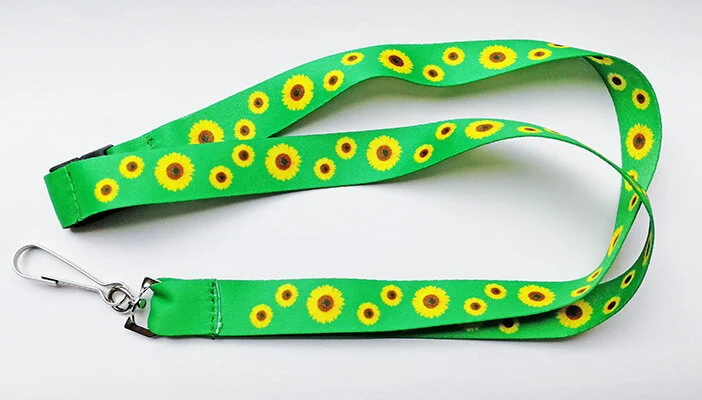
Let me start by letting you know about our Neuro Spicy household. It consists of my 14-year-old Autistic daughter, who attends a specialist school in the UK. My 16-year-old son, who although never diagnosed is also Autistic (the UK process for diagnosis is extreme and we realised too late for him to get his diagnosis before he finishes school). My husband, who spent the whole time we were going through diagnosis with or daughter saying “I did that “or “that sounds like me!”. Then there is me, and although I would not say that I was neuro divergent I defiantly have Neuro divergent tendencies.
FYI a video explainer for this is also available on our YouTube Channel : https://youtu.be/nfBrT6HtBgQ
When we were planning our most recent trip to Disney, one of the biggest questions we had were around how we were going to cope, with queues, with people, with the heat, with everything. Like most Neuro Divergent families, we did lots of preparation. We watched ride videos and talked about our plans so that we could make sure we had a fairly stress free holiday.
One of the biggest areas that we were worried out was if we would be able to get the Disney DAS Pass. If you didn’t know the DAS (Disability Access Scheme) pass at Disney means that you do not have to stand in the queues for quite as long. The idea is that you book a return time for a ride, your return time is based on the queue time for the ride you are wanting. So for example if you want to go on The Haunted Mansion (my absolute favourite ride) and the current queue is 40 minutes, you will get a return time for 40 minutes’ time. Then you use the pass much like the old fast passes or current lightning lanes, skipping some of your queue time down. You can only book one ride at a time of course and for some of the older rides you do still have to queue for a bit, for example on Peter Pans Flight or The Many adventures of Winnie the Pooh, but the flexibility of the scheme means that you are able to mitigate some of the problems that standing in the lines for long periods of time, surrounded by so many people and noises and unexpected things (in our case flies which cause us many difficulties), is much easier.
We had read so many stories out how hard it was to get the pass and how difficult Disney had made things that we were very concerned. You are unable to get this in advance for Disney World, we did try to use a VPN system to request a call with Disney Customer Relations team, but even with a VPN saying we were in the USA, we were unable to access the advance system.
Instead, we had to go to Guest Relations in any of the Disney Parks. Our first park was Epcot, and on entering the park we headed straight there. I spoke to the cast member and they informed us that we had to speak to a different team, we needed to use teams to make a video call to them, the cast member did offer us the use of a Disney IPad for this, but I opted to use my phone. We were able to do this inside guest relations and although there is no seating there were some window ledges to sit on. The connection was very good and the building was air conditioned. The person with the condition has to be present, although at first I was able to talk to the cast member.
The system is tiered, so you speak to one person first and then if they agree they move you forward to a clinical professional. They ask lots of question about the condition and what the day to day difficulties are, the main question that they focus on is why the person would have a problem standing in a queue. At that point the cast member asked to speak directly to my daughter.
This cast member then dials in a clinical professional who asks many of the same questions, and again finishes by speaking directly to our daughter. For us the whole experience took about 30 minutes, we did have to move positions in the building (a fly had come in and spooked our girl, which perfectly illustrated why we needed the DAS pass).
The cast members were polite and listened to what we had to say. They communicated well and explained the process in full. The clinical professional understood the conditions that we were discussing and seemed to understand in a small way how things work in the UK diagnosis and education systems.
We were issued the DAS pass which you get for three weeks, it came though on the My Disney Experience App within 10 minutes.
Some things to note, the cast members will not look at paperwork, so there is no point taking your diagnosis letters or any other paper work with you (although I did take photographs on my phone just in case), they will have to see and possibly speak to the Young person, so prepare them for that, and finally, the focus is on the difficulties around standing in queues, and this question or one like it was asked in different ways a number of times.
The whole process was easier than expected and worth the effort, without the DAS pass our Disney days would have been very difficult and I am 100% certain that we would have only been able to be in the parks for very short periods of time.
I understand why people feel that this system is much more complicated than it used to be, but I also feel that this helps get the help to the people who really need it.

Disney enthusiast, wife, mother, and would spend 24Hrs on the Haunted Mansion if it was possible. Cries at fireworks. Ultimate trip planner. Has multiple trips to Disney and Orlando under her belt, and is passionate and experiened with assisting on neurodivergent nature (DAS passes etc). Skilled with the park apps and getting that last minute lightning lane.
Leave a Reply